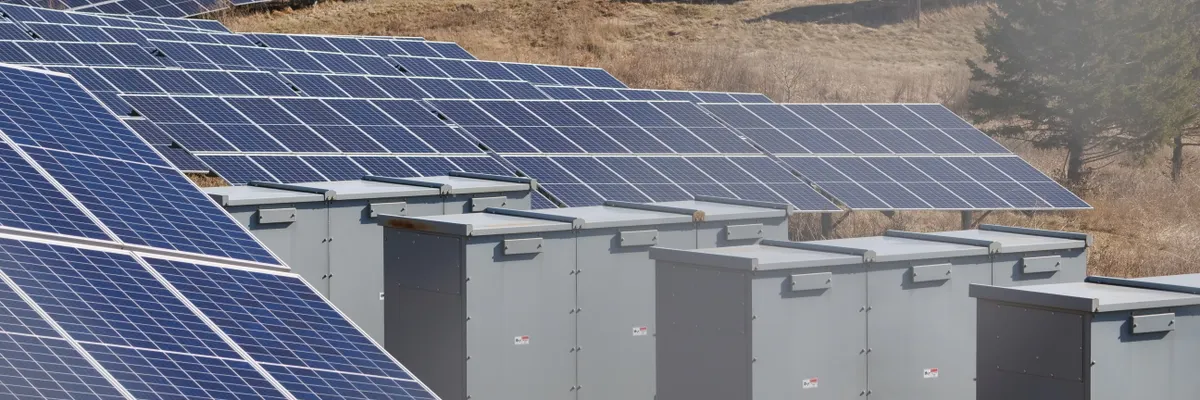
The US energy grid just swallowed a massive dose of storage capacity. In the second quarter of 2026, new battery installations hit a record 20.2 gigawatt-hours. That is enough juice to power roughly 700,000 homes for a day. The country is now on track to install 71 GWh by year’s end, a 20% jump from 2025. This isn’t random growth. It is a direct response to cheaper hardware and the urgent need to stabilize a grid increasingly reliant on solar and wind.
Utility-scale projects are doing the heavy lifting here. Seven new “gigascale” facilities, each holding over one gigawatt-hour, came online in just three months. Shan Tomouk, an energy lead at Benchmark Mineral Intelligence, notes that the surge really came down to a handful of big projects. These industrial behemoths are absorbing the bulk of the investment, proving that when it comes to grid stability, size still matters. The commercial sector is also pulling its weight, with data centers accounting for three-quarters of non-residential additions.
Homeowners, however, are hitting the brakes. Residential battery installations are projected to fall 16% in 2026. The culprit is simple: the federal tax credit that subsidized these systems expired in 2025. Without that financial cushion, many homeowners are delaying purchases despite rising blackout risks. Tomouk expects the residential market to recover by the end of the decade, but the current dip highlights how sensitive consumer adoption remains to policy shifts. It is a stark contrast to the robust commercial side, where tax incentives largely survived the legislative churn.
There is a geopolitical wrinkle in this success story. Nearly all the cells powering these new US batteries are still made in China. New rules now require projects to limit reliance on Chinese imports to qualify for tax credits, pushing manufacturers to build domestic supply chains. But don’t expect immediate relief. US factories won’t meet demand until at least 2030. Until then, tariffs and scarcity could drive prices up, potentially slowing the very growth the government hopes to accelerate.