AI Pulse by Inblix

Why autonomous robots are finally becoming a reality

Ars Technica AI · Jul 8, 2026 · 1 min read · Read original article →

Curated by the Inblix editorial team


Featured image for article: Why autonomous robots are finally becoming a reality

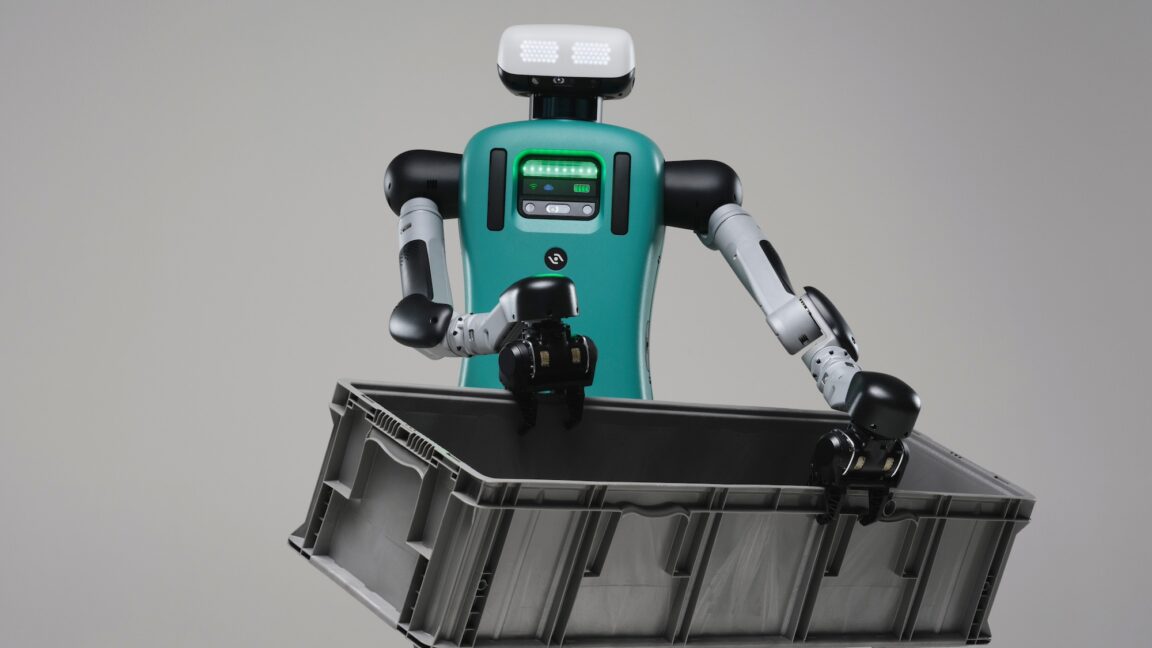
The dream of general-purpose robots handling tasks in workplaces and homes is inching closer, but it’s built on decades of slow progress in autonomy. In the early days, getting a robot to simply move from point A to point B was a massive challenge, and researchers struggled with basics like navigation and balance—the Stanford Cart took five hours to cross a room in 1979. Now, companies like Boston Dynamics are shifting focus from basic movement to enabling robots to perform a wide range of tasks on their own, powered by modern AI. This leap is attracting billions in investment and sparking a wave of startups. Autonomy remains a moving target, defined as the ability to perform tasks based on sensing and state without human intervention.

Why it matters: As AI advances, autonomous robots could transform industries from logistics to healthcare, but the gap between controlled demos and real-world reliability remains the key hurdle to widespread adoption.

💡 Key Takeaways

  1. Robot autonomy has progressed from basic navigation struggles in the 1970s to a wide range of potential tasks enabled by modern AI.
  2. Boston Dynamics' Matt Malchano highlights that the definition of autonomy has expanded from simple point-to-point movement to complex, unsupervised task execution.
  3. The vision of general-purpose robots like those in sci-fi is now attracting significant investment and startup activity, but practical, reliable autonomy remains a challenge.

Keep reading: See related articles below for more coverage on this topic.

Get smarter about AI

The sharpest AI news, curated daily. Delivered free to your inbox.

Learn more

Glossary terms

← Back to all articles