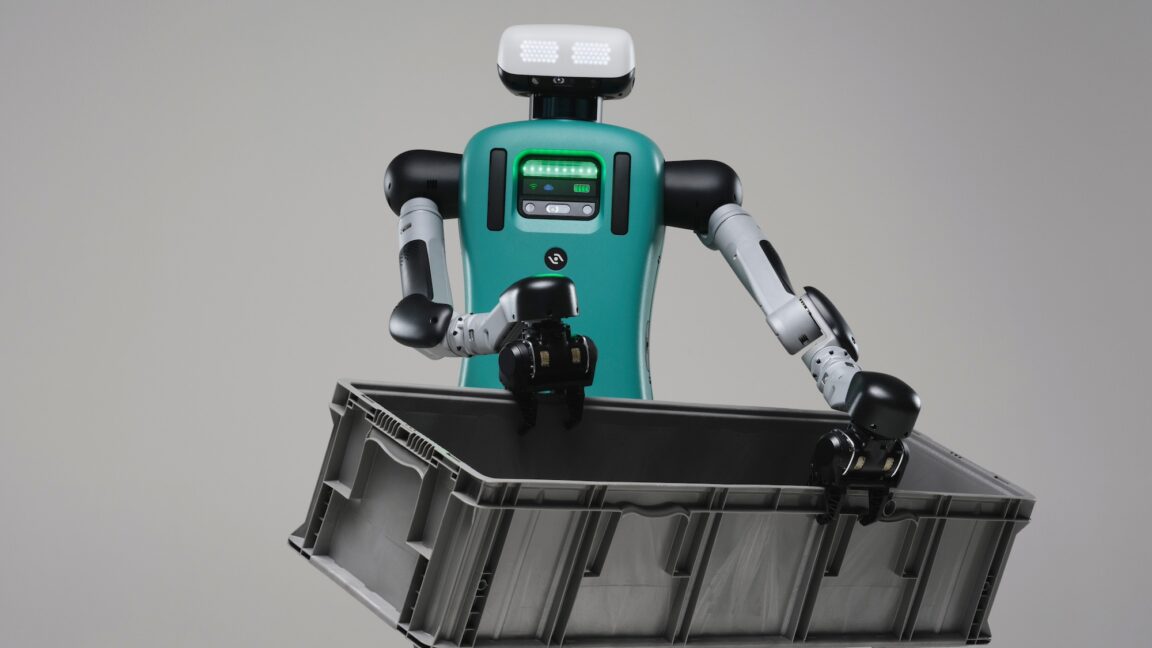
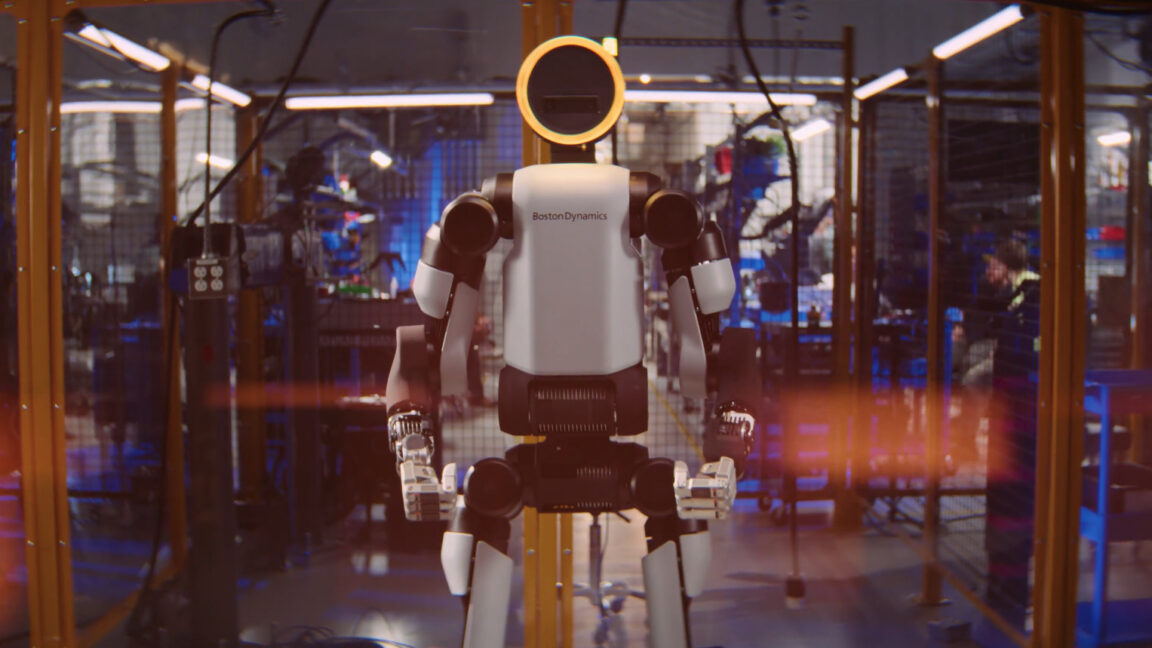
The dream of general-purpose robots that can assist people in homes and workplaces is inching closer to reality, driven by leaps in AI and heavy investment. Fifteen years ago, robot autonomy meant just getting a machine to move from point A to point B, says Matt Malchano of Boston Dynamics. Now, the focus has expanded to a vast range of tasks robots can potentially perform independently. Historically, achieving practical autonomy was slow—the 1979 Stanford Cart took five hours to navigate 20 meters, and the first self-balancing bipedal robot only arrived in 1996. Today, with billions pouring in and startups popping up, the goal is to have robots handle an ever-growing subset of human activities without constant supervision. Why it matters: This shift from basic navigation to autonomous task completion marks a turning point that could redefine labor, logistics, and daily life, making robots like Rosie from The Jetsons seem less fantastical and more inevitable.
Autonomous robots: From sci-fi to real-world helpers
The dream of general-purpose robots that can assist people in homes and workplaces is inching closer to reality, driven by leaps in AI and heavy investment. Fifteen years ago, robot autonomy meant just getting a machine…
Summarized from
Ars Technica AI AI-summarized
Was this helpful?
Discussion
Join the conversation
Comments are powered by GitHub Discussions. You need a GitHub account to participate.

Go deeper
The sharpest AI news, curated daily.
One email each morning. Summarized, sourced, and skimmable in under three minutes.
The sharpest AI news, curated daily.
One email each morning. Summarized, sourced, and skimmable in under three minutes.