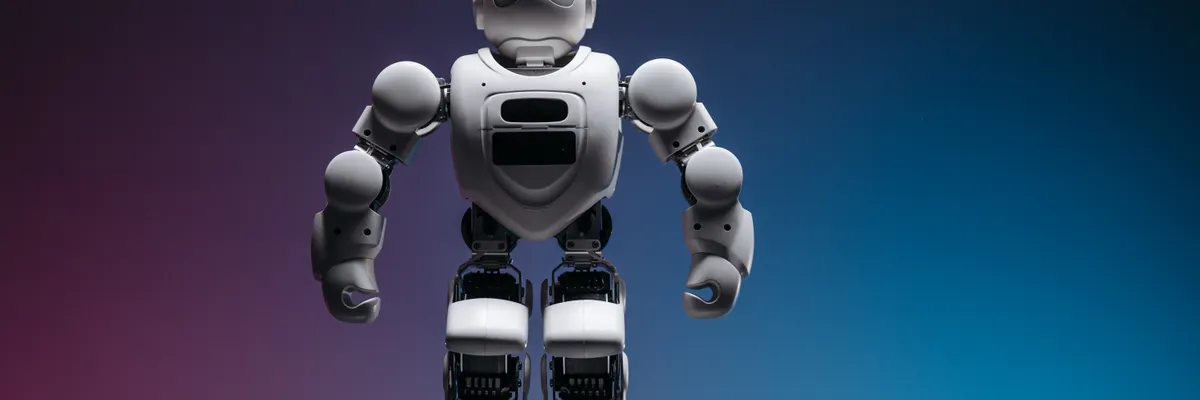
In a cavernous R&D hub on the outskirts of Shanghai, an 11-year-old boy watches his new mini robotic dog attempt a handstand while his mother smiles nearby. It’s a public holiday, and families have flooded into what organizers are calling a robot carnival — part petting zoo, part trade show, part live entertainment. The scene captures something bigger than a weekend outing: China’s deliberate push to make robots feel like part of everyday life.
The numbers back up the spectacle. Nearly 90% of the more than 13,000 bipedal humanoid robots delivered globally last year came from Chinese factories. That’s not an accident. Embodied AI — putting artificial intelligence into physical machines — is written into China’s latest five-year plan, and the country’s manufacturers have sprinted ahead while Western rivals wrestle with safety problems, punishing price tags, and batteries that die too quickly.
At the carnival, the robots range from the practical to the theatrical. DexForce, a product manager tells the crowd, builds robots that “can free people from physical work and mundane chores” — one model brews coffee while, a few booths over, robotic arms fold T-shirts. But the real crowd-pleasers are pure performance: two humanoids in sequined tops execute drunken boxing moves and a front flip inside the main tent while children chant “More, more, more” and a squad of robotic lions waits in the wings.
Here’s the Inblix angle: China is treating its robotics push as a PR campaign as much as an engineering race. While plenty of roboticists elsewhere argue the human form is the wrong shape for a robot, Chinese firms are putting bipedal machines in shopping malls, tourist attractions, and even half-marathons in Beijing. The strategy seems calculated to win hearts and minds first, technical hurdles second. Whether that enthusiasm survives contact with the safety and cost realities remains an open question — but on this particular weekend in Shanghai, nobody in the crowd seemed worried about any of that.