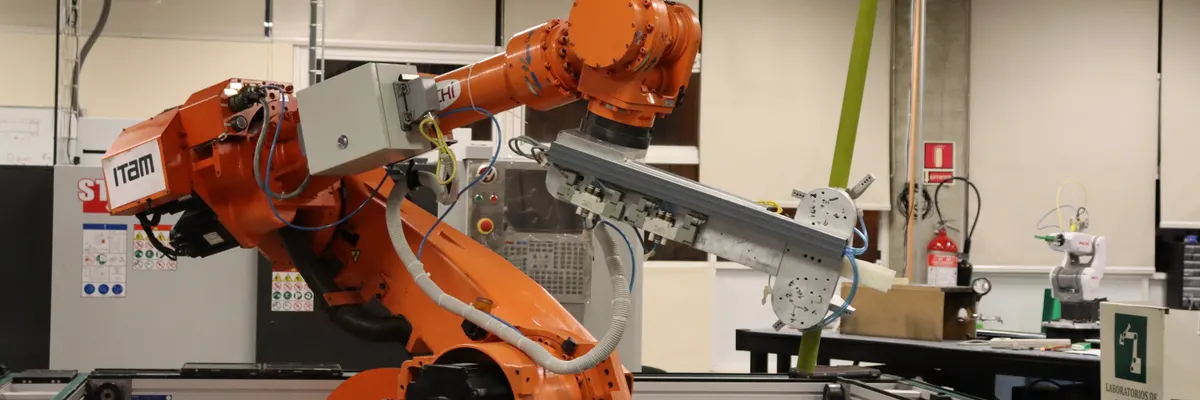
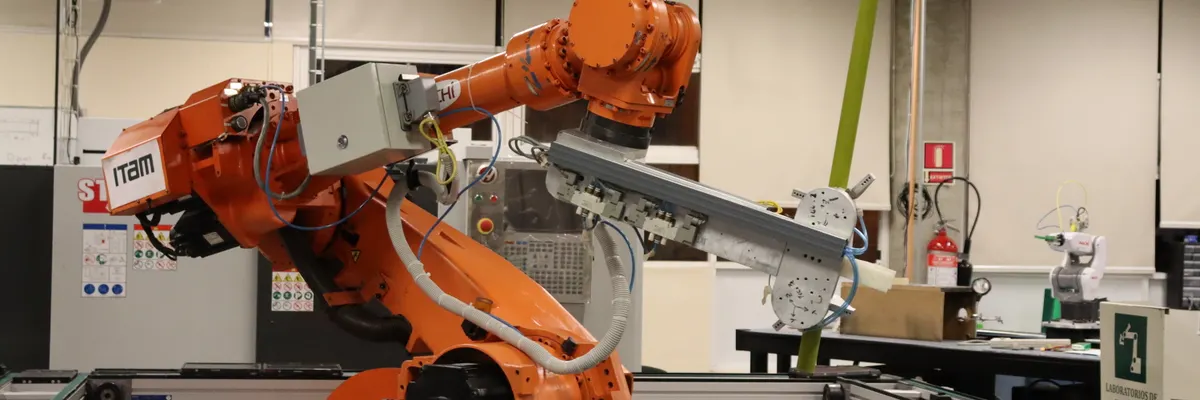
The FCC just threw a wrench into the US robotics market, and it goes way deeper than the headlines about humanoid robots and robot dogs suggest. A new rule, effective July 28, 2026, bans the import of new foreign “advanced robotic devices” and internet-connected Chinese power inverters. The Trump administration’s stated goal is to shield the US AI buildout from Chinese disruption, data theft, and cyberattacks. An accompanying National Security Determination argues that the concentrated global supply chain for parts like actuators and sensors leaves the US vulnerable to the “whims of foreign entities.”
The document paints a stark picture of the cybersecurity risks. It cites a 2026 vulnerability that exposed live camera feeds and floor plans from thousands of home robots worldwide, a flaw that could have enabled a self-spreading “humanoid botnet,” and a discovery in April 2025 of what looked like a pre-installed backdoor in Chinese robot dogs. FCC Chairman Brendan Carr stated the agency would “continue to do our part to secure America’s critical supply chains,” with the Department of War now handling exemption requests.
But here’s where it gets messy. The ban’s definition is so broad that an FCC spokesperson confirmed to The Verge it covers robot vacuums, robotic lawn mowers, sidewalk delivery bots, and even Amazon’s warehouse transport robots. The rule catches any software-controlled ground robot over 2 kg with environmental perception and wireless connectivity. Since virtually all robot vacuums originate from China — including market leaders Roborock, Ecovacs, and Dreame, and even the Roomba brand now owned by Chinese firm Picea — this effectively freezes the entire category. IDC analyst Jitesh Ubrani noted that non-Chinese brands now hold a share “so small that it’s difficult to track.”
The real kicker? The exemption process doesn’t ask a single security question. It only cares where a robot was designed and built, plus a commitment to US production. This isn’t about patching vulnerabilities. It’s a blunt instrument targeting origin, not actual security posture. The simultaneous ban on Chinese internet-connected power inverters — devices critical for linking renewable energy and data centers to the grid — opens a second front in this supply chain cold war. The message is clear: if it’s connected and comes from China, the US government now sees it as a potential sabotage vector, regardless of whether any backdoor exists.