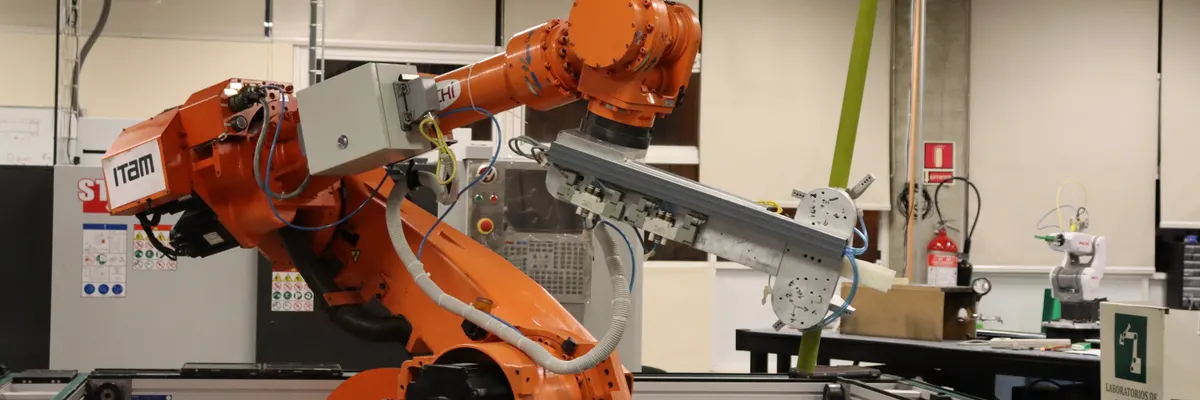
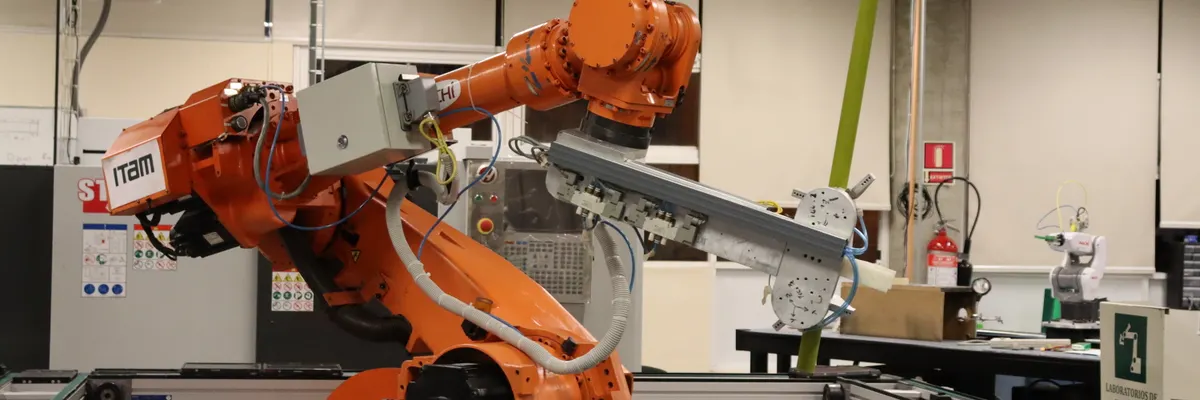
Generalist AI just dropped GEN-1.5, a model that treats a 3-to-12-second human demonstration like a prompt. Load the clip into its context window, and the robot attempts the task with no additional training. Across ten tests — opening jars, pulling cash from a wallet, that sort of thing — it hit a 59 percent average success rate. Feed it five minutes of data and ten training steps, and success climbs to 83 percent.
The really interesting part is what the company didn’t build. Chaining two prompts into longer sequences, pulling demos from simulation, and partially imitating human hand movements all emerged during eight-plus months of pretraining on interaction data. Generalist says none of these abilities were explicitly trained for. That’s the kind of emergent behavior that gets researchers excited, though it’s worth remembering the company has a product to sell.
Plenty of labs have demonstrated in-context learning for robots before, but usually restricted to a narrow set of task types. Generalist claims to be the first to show it working broadly. The caveat: the tasks are simple and short, and every result comes from Generalist itself. No independent verification yet. That 59 percent number is also a reminder of how far this still is from reliable deployment — failing four out of ten attempts doesn’t fly in a warehouse.
Still, the direction is compelling. If a single smartphone video can teach a robot a new manipulation skill, the bottleneck shifts from data collection to demonstration quality. That would matter for small manufacturers who can’t afford robotics engineers. The gap between a lab demo and a factory floor remains wide, but GEN-1.5 suggests the gap is narrowing faster than many expected.