The first major labor action triggered by humanoid robots is unfolding at Hyundai’s Ulsan complex in South Korea. Thousands of unionized workers began walking off the job early this month after 15 rounds of negotiations collapsed, according to The Korea Times. The Wall Street Journal describes it as “the car industry’s first factory stoppage addressing humanoid robots.”
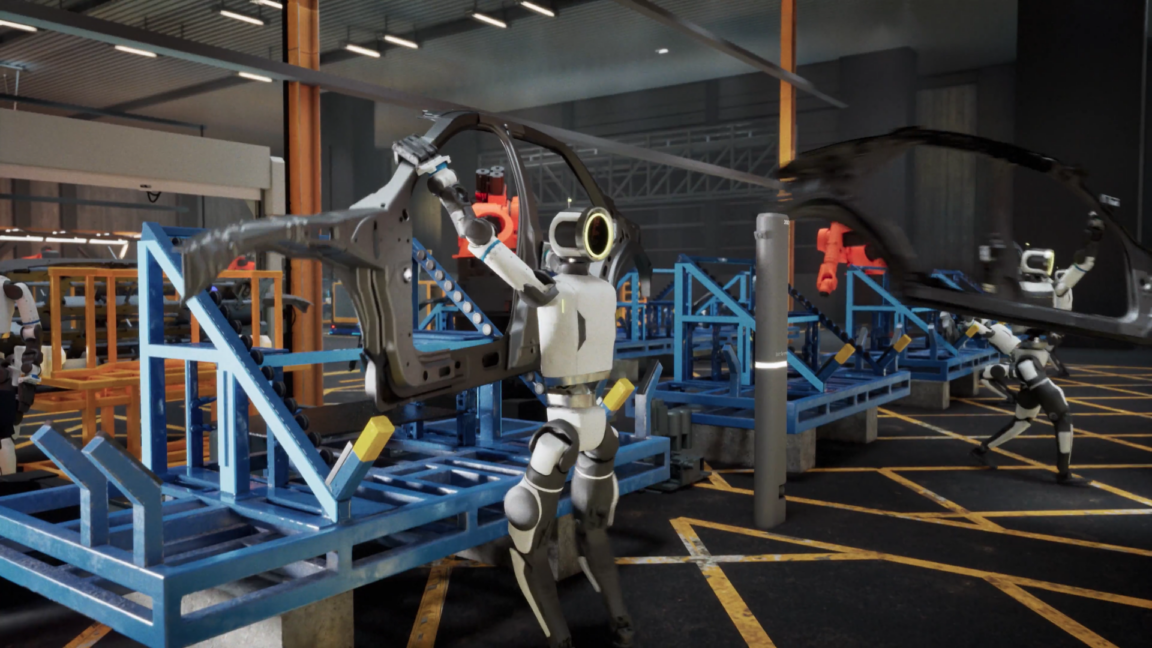
At the heart of the dispute is Atlas, a 6-foot-tall, 100-pound-lifting bipedal machine from Boston Dynamics—a company Hyundai is in the process of fully acquiring. The Korea Herald reports the automaker aims to deploy more than 25,000 Atlas robots across Hyundai and Kia plants, starting with US factories in 2028. No timeline exists for other regions, which likely only deepens worker anxiety.
The economics are stark. Samsung Securities analyst Esther Yim estimates each $130,000 robot could pay for itself within two years. Macquarie’s James Hong went further, suggesting that if unit costs drop to $100,000, the operational expense per robot could fall below the US federal minimum wage of $7.25 an hour—a figure that makes a mockery of a typical auto worker’s salary.
The union, representing over 39,000 workers, isn’t just protesting. They’re demanding structural safeguards: shifting hourly pay to fixed salaries to insulate workers from automation-driven hour reductions, raising the retirement age from 60 to 65, and securing larger bonuses. It’s a playbook that other industrial unions will be watching closely. Partial strikes with shortened shifts are already underway, and four-hour stoppages are planned for late July. Whether this becomes a footnote or a turning point depends entirely on whether Hyundai blinks.