The uncomfortable truth about AI agents that self-correct became clear with a 2024 paper bluntly titled ‘Large Language Models Cannot Self-Correct Reasoning Yet.’ Asking a model to check its own work without outside input is a coherence trap—the same weights that made the mistake are likely to approve it again, sometimes doubling down on a wrong answer. This isn’t a theoretical edge case; it’s a fundamental limit that anyone building agents must design around.
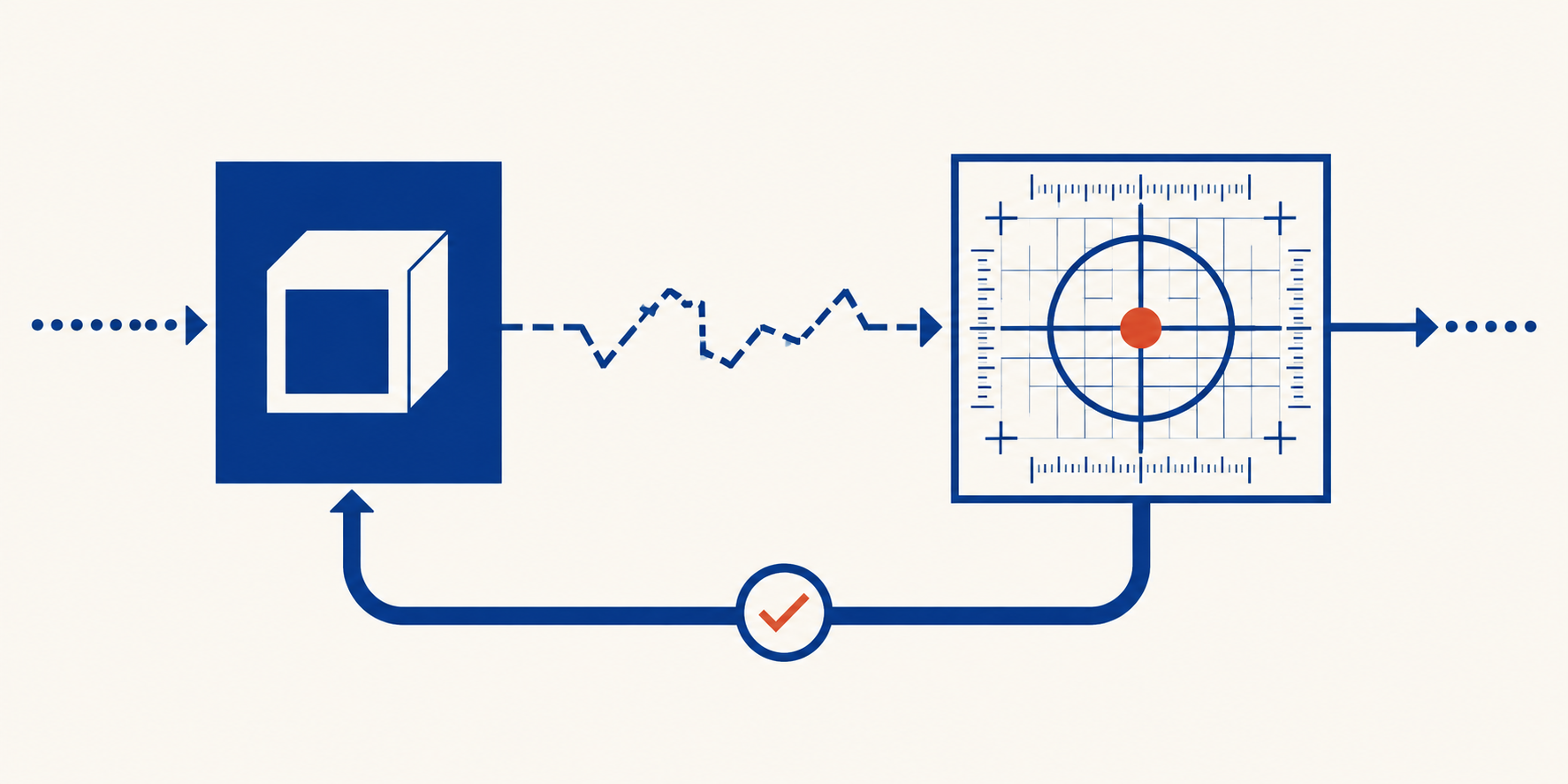
Self-correction isn’t a myth, but it only works under a strict condition: the agent needs something external to check against. The original Reflexion paper from Stanford proved the point, with agents hitting 91% pass@1 on HumanEval, a huge leap from an 80% baseline, precisely because running code against tests provides an independent signal. Similarly, Madaan et al.’s Self-Refine paper saw a 20% average improvement across seven tasks where an external check existed. The 2025 CorrectBench study added a crucial cost-benefit nuance: self-correction adds roughly 5% on hard reasoning benchmarks like MATH, but on easy tasks, plain chain-of-thought does just as well while using 40% less compute. Reflection costs tokens, latency, and money every time the loop spins.
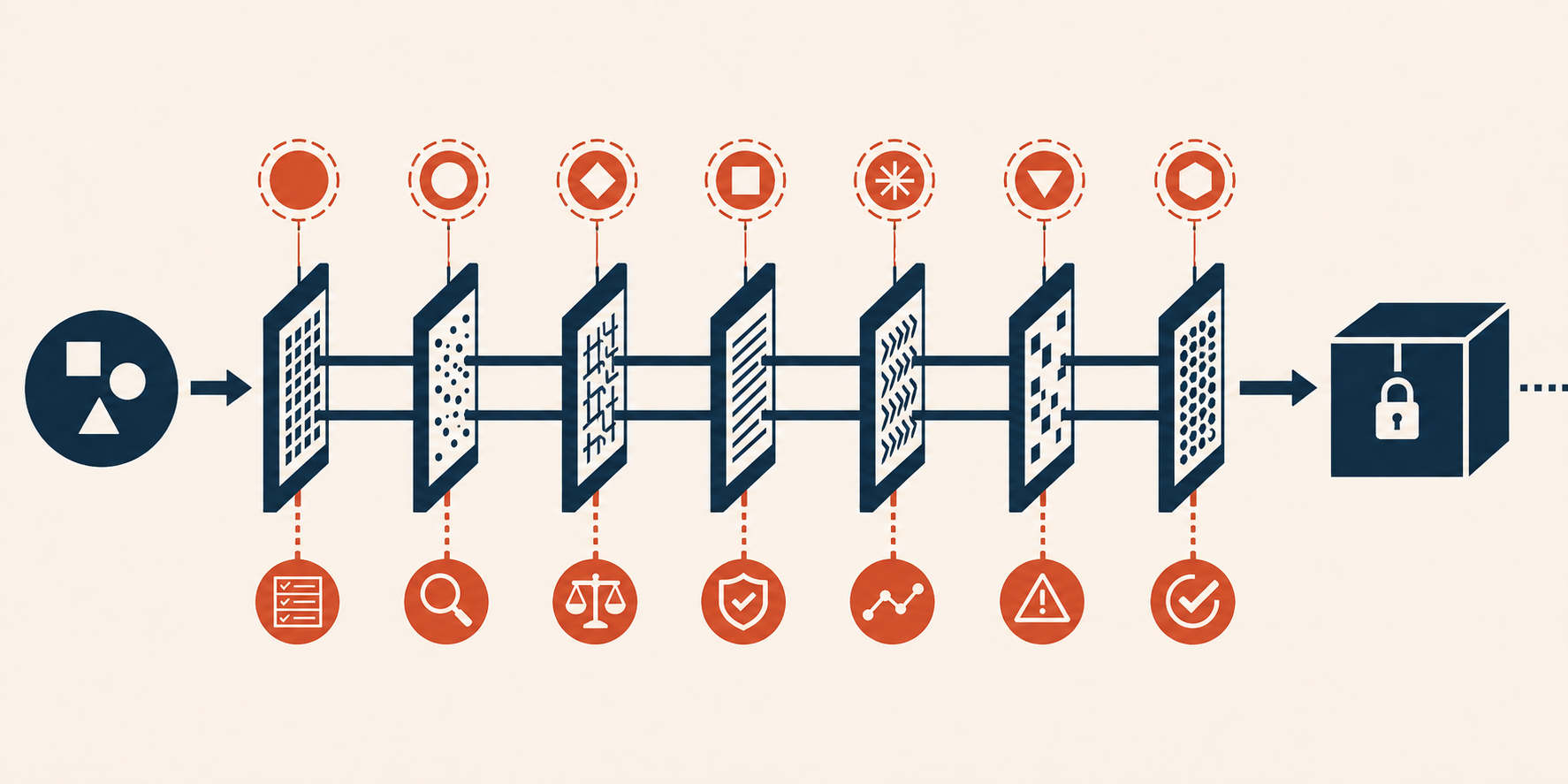
The article lays out five building blocks for production self-correction systems, starting with bounded reflection loops. An unbounded loop isn’t a safety net; it’s a financial hazard, with one widely shared postmortem describing a document-processing agent that entered a retry loop overnight and racked up a $437 bill in eight hours. Verifiers must score output independently of the generating model, unlike calibration models that merely estimate the generator’s own confidence. For code generation, that verifier is running the actual tests. For research, it’s a retrieved source. For a form-filling agent, it’s schema validation.
What grounds the entire approach is a simple, non-negotiable design rule: find your external signal before you write a single line of correction logic. Without it, you’re not building a smarter system—you’re just building a more expensive version of the same mistake. The tutorial that follows builds a concrete code-generation agent that writes a Python function, runs its tests, fixes what fails, and crucially, knows when to stop trying and hand the problem to a human. That escalation path is the difference between a system that fails gracefully and one that burns cash in an infinite loop of self-agreement.