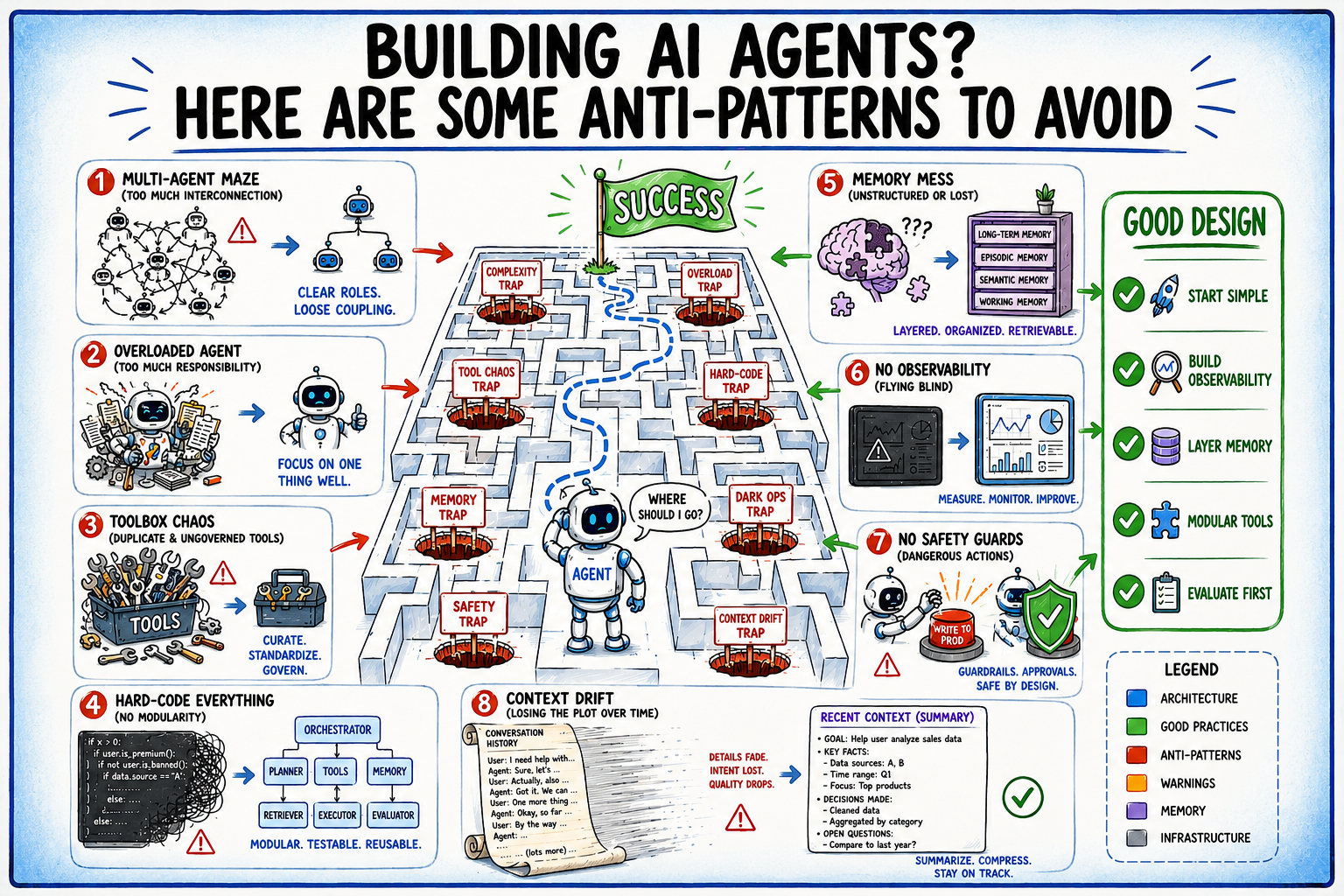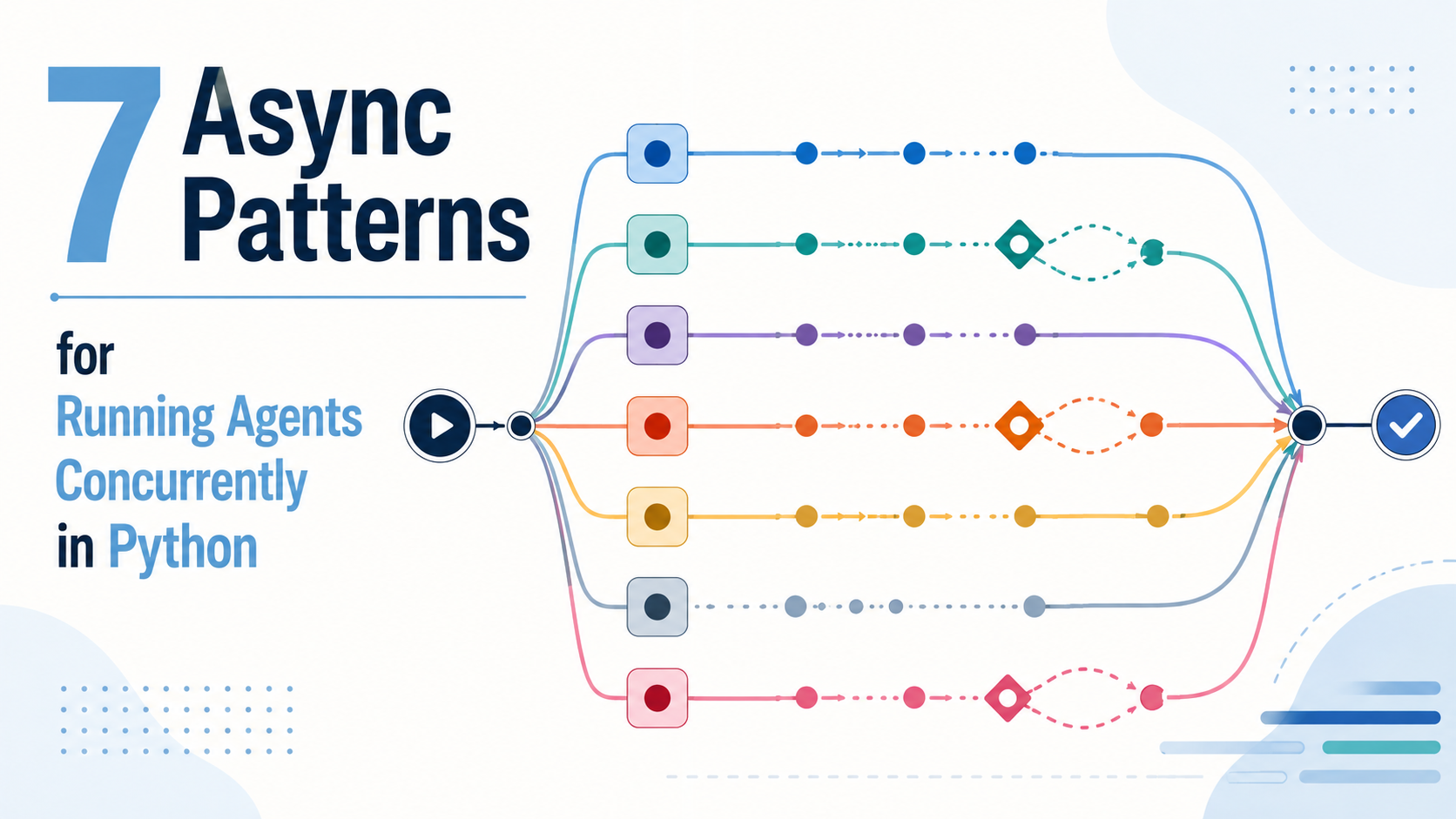
Let’s be honest: most “build an AI agent” tutorials are lying to you. That 40-line script looping an LLM call looks great on a laptop, but the moment it faces a second user, a flaky API, or a task that needs 12 steps instead of 2, it collapses into a heap of unreadable logs. The difference isn’t a better prompt. It’s architecture.
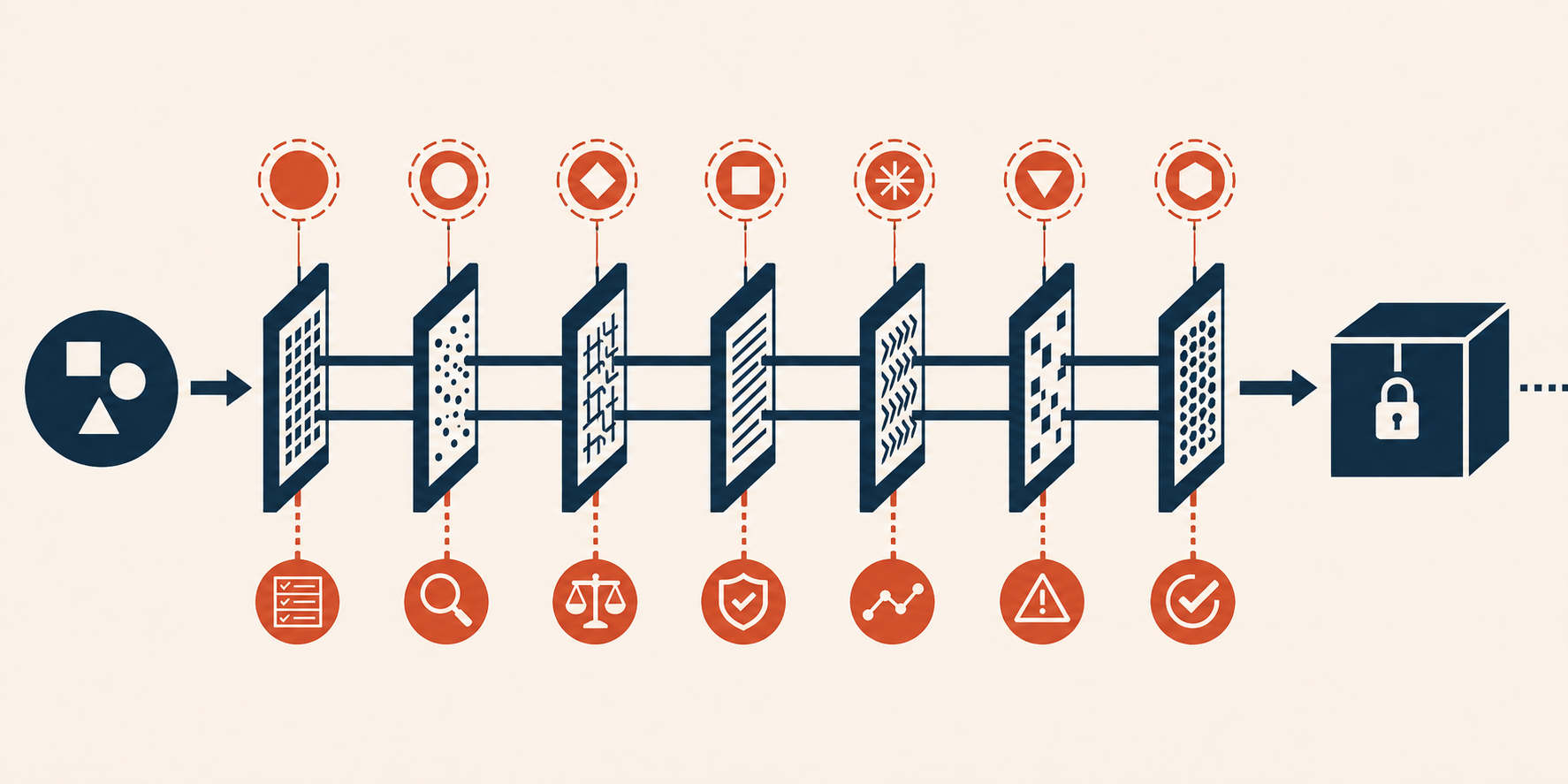
Production-grade agentic systems are built from a consistent set of seven components that show up in every serious postmortem and architecture survey published in the last year. You’ve got perception, memory, reasoning and planning, tool execution, and orchestration forming the core feedback loop. Then you’ve got guardrails and observability wrapped around the entire thing as cross-cutting concerns. This isn’t a vendor pitch—it’s the pattern that emerges when you actually ship.
The article breaks down each piece in isolation. Perception’s job is to normalize raw input from webhooks, file uploads, or plain text into a single structure the reasoning engine can trust. Memory is where most demos go wrong, confusing “the conversation so far” with an actual memory architecture that separates fast, disposable working memory from persistent episodic, semantic, and procedural stores. The code examples are refreshingly focused: short Python scripts you can run with zero dependencies that illustrate one responsibility at a time. No sprawling framework, no magic.
If you’re trying to figure out where your prototype is going to break first, start with tool execution and guardrails. Those are the components that sit between your agent’s good intentions and the real world where APIs time out and side effects have consequences. The core loop—Goal → Perception → Reasoning → Planning → Action → Observation → Memory Update—is simple. Keeping it running when money is on the line is the hard part.