The hydrogen economy has a supply problem. For years, the clean-hydrogen conversation bounced between two options: electrolyzers running on renewable power, or fossil-fuel hydrogen with carbon capture bolted on. Both have struggled to clear the cost hurdle. Now a third contender is gaining real traction, and it doesn’t require building a single factory.
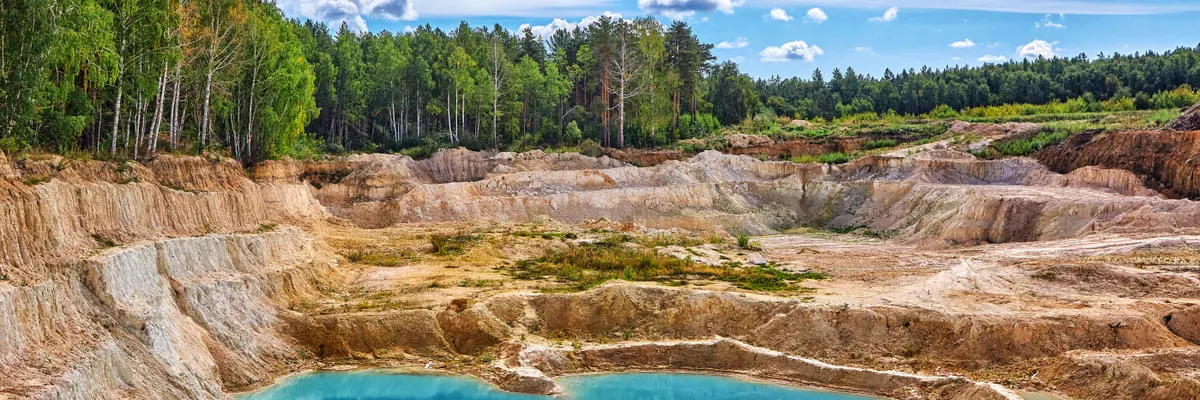
Geologic hydrogen—naturally occurring gas trapped in underground formations—is drawing serious money and attention. HyTerra, an Australian company, is drilling across Nebraska and Kansas and has already pulled gas samples with hydrogen concentrations up to 96%. Koloma, a heavyweight in the space with over $400 million in funding, is prospecting the same Midcontinent Rift, a billion-year-old crack in the planet’s crust stretching from Kansas to Michigan. The geology matters: iron-rich rock reacts with water to produce hydrogen, and the Midwest has plenty of both.
Some companies aren’t waiting for nature to do all the work. Vema Hydrogen, based in Texas, is drilling wells and injecting water and catalysts to kick-start hydrogen production in subsurface rocks. The company is testing in Quebec and targeting full-scale production by 2028. Eden GeoPower is taking yet another angle, using electricity to fracture rock and create more pathways for water to reach reactive minerals.
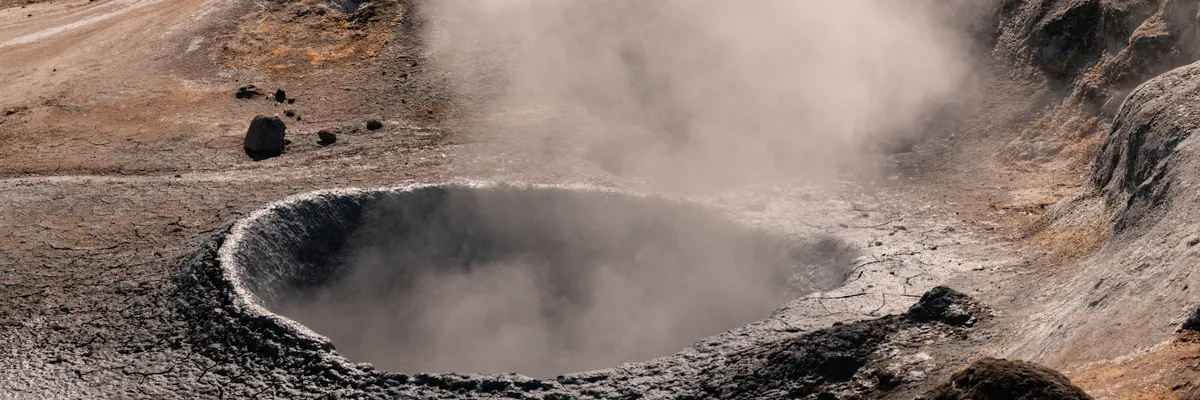
The catch? Hydrogen is a notoriously slippery molecule. Its small size lets it escape through tiny cracks, and storing or transporting it requires either massive space or cryogenic temperatures. But the scale hint is tantalizing: researchers at a northern Ontario mine found that each of a few dozen boreholes released eight kilograms of hydrogen per year. With more than 14,000 boreholes at that site alone, the arithmetic gets interesting fast. If the engineering catches up to the geology, this could reshape where hydrogen actually comes from—no electrolyzer factory required.