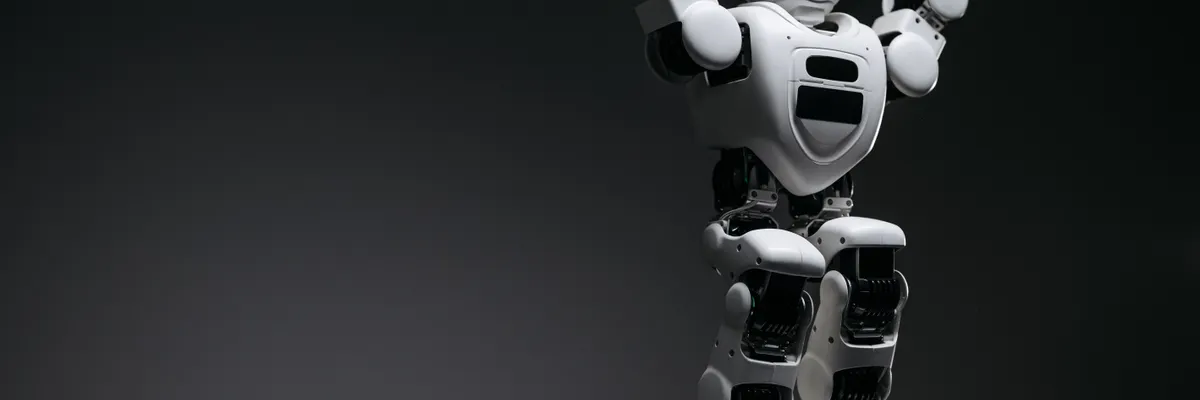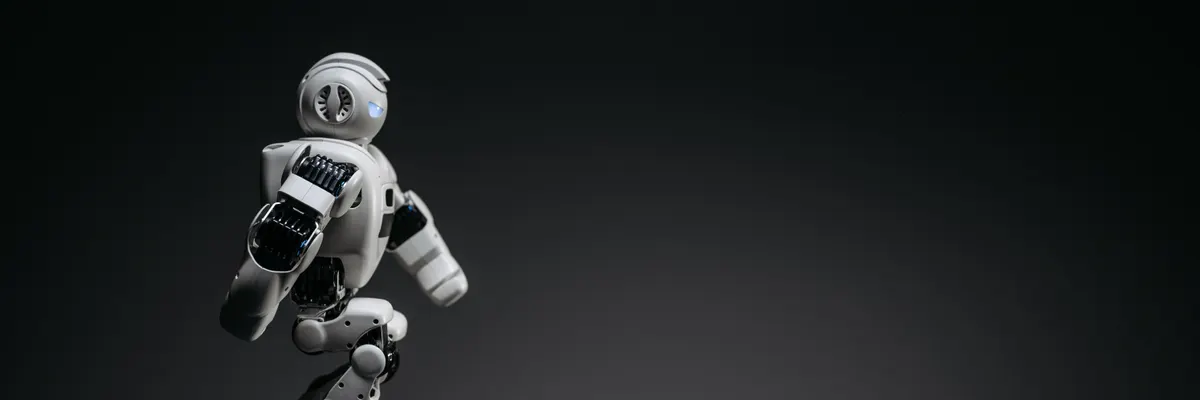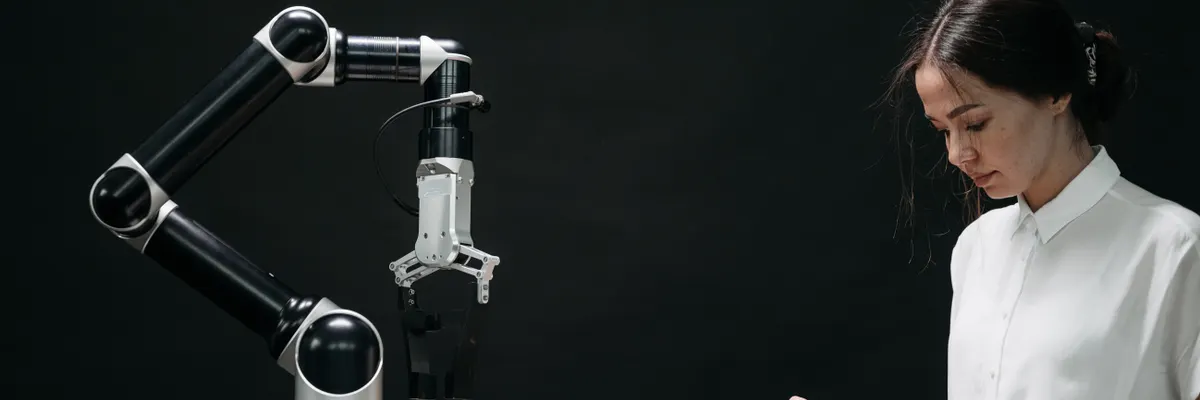
Physical Intelligence just open-sourced π0 and π0-FAST, a pair of vision-language-action models that mark a serious step toward one AI controlling a fleet of different robots. We’re not talking about a single robotic arm doing one thing well. This is a single model trained on data from seven distinct robotic platforms tackling 68 unique tasks — everything from folding laundry and busing tables to assembling boxes and bagging groceries.
What makes the architecture tick is flow matching, a technique borrowed from diffusion models that generates smooth action trajectories at 50Hz. Instead of jerky, discrete commands, π0 produces continuous sequences of motor actions, which is crucial for dexterous manipulation in the real world. The team at Physical Intelligence frames this as moving beyond narrow AI: where large language models handle text and VLMs handle images, VLAs add action tokens to the mix, letting the model actually do things.
The release isn’t just a research paper. The model weights are live on Hugging Face, and the team integrated everything into the LeRobot framework. You can run inference on the pretrained checkpoint immediately, though they’re upfront that a straight JAX-to-PyTorch conversion degrades performance. The real play is fine-tuning. With a couple of Python commands, you can adapt π0 to your own dataset and environment — they even provide a base checkpoint stripped of the PaliGemma and Expert Gemma VLM pretraining if you want to start from a cleaner slate.
This cross-embodiment approach matters because it hints at an escape from the data scarcity trap that has kept robot learning in the lab. Training across different morphologies and control spaces forces the model to learn something more fundamental about physical interaction. It’s the same insight that made LLMs work: pretrain on broad, diverse data, then specialize. Whether π0’s performance holds up outside its 68-task comfort zone is an open question, but the framework is now in developers’ hands to find out.