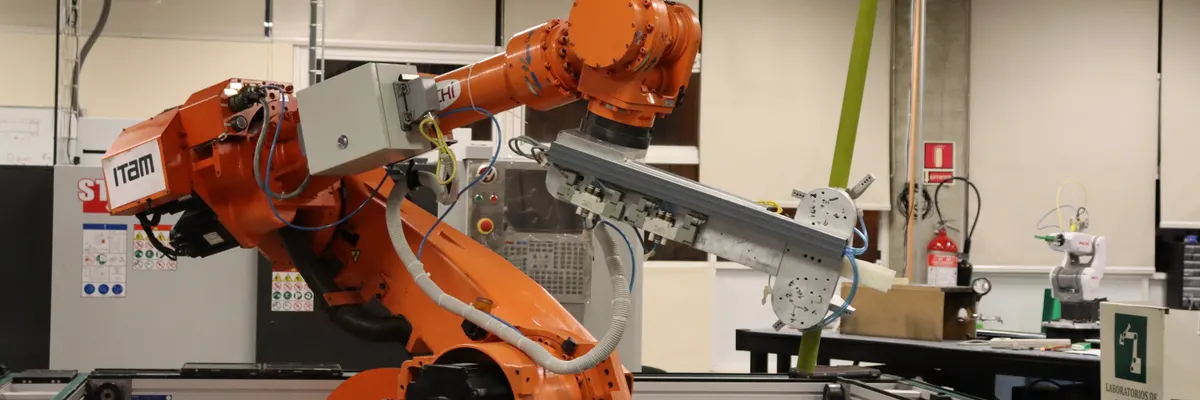
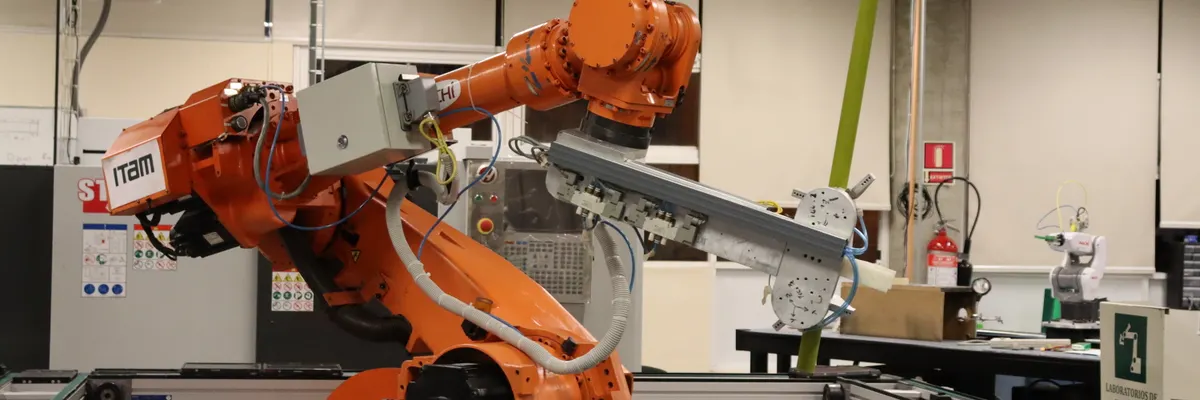
The biggest bottleneck in robotics isn’t clever algorithms. It’s data. While language models feast on the open web, a robot learning to pack a suitcase has to be painstakingly hand-held through every motion. Xiaomi’s new Xiaomi-Robotics-1 model sidesteps that entirely, and the results upend a key assumption about what makes robotic AI better.
The team collected over 100,000 hours of motion data without deploying an expensive fleet of robots. Instead, they used a portable handheld gripper with attached cameras that a person can operate in a kitchen, an office, or a factory floor. To describe all that footage, another AI model churned through the labeling in about two weeks—a task that would have been impractical to do manually. This approach let them build a foundation model that follows spoken or written commands in environments it has never seen before.
When transferred to physical robots, the model’s performance revealed a scaling law that should make hardware-heavy labs sit up and take notice. Boosting the model’s size helped a little, but pouring in more varied training data produced dramatically larger gains. The success rate in unfamiliar environments jumped from roughly 25 percent to 75 percent as the dataset grew, and the team says they haven’t yet hit a ceiling. That finding mirrors what visual AI researchers discovered in March: when a model has to process images instead of just text, more data beats more compute.
The model adapted to new tasks like loading laundry and packing a phone with less than ten hours of training data, reaching a 75 percent average success rate. A competing model from Physical Intelligence managed just 40 percent in the same test. This emphasis on data volume and variety over model size also casts a new light on the debate around Physical Intelligence’s pi0.7 model, which faced scrutiny over whether it was truly generalizing or just recalling similar training data. For now, the clearest path to a robot that can actually put away your groceries might just be a person walking around with a camera on a stick.